From your perspective, what are the most pressing people challenges facing Higher Education institutions right now?
Higher education is facing a set of people challenges that many sectors are navigating, but with a mission, culture, and level of complexity all its own. One of the most pressing is the need for a clearer, more dynamic understanding of the workforce: who people are, what skills they have, how they want to grow, and where the institution may be underusing talent that is essential to advancing its mission and vision.
When that visibility is limited, the costs are real. It can contribute to turnover, constrain internal mobility, and make it harder to respond with agility as needs shift. That challenge is becoming more urgent as AI reshapes roles, elevates the importance of new skills, and changes how work gets done across every sector, including our campuses.
The institutions best positioned to lead will be the ones that use data, technology, and AI to create stronger workforce intelligence: the ability to understand their people more clearly, connect capability to opportunity in real time, and develop talent with greater precision. Those same capabilities are what make exceptional core people operations possible, not just more efficient, but more visible, more responsive, and more strategic. When that foundation is in place, culture, belonging, performance, retention, and institutional effectiveness all become stronger.
What decisions or trade offs do you see HR leaders needing to make over the next 12–24 months that will have the biggest long term impact?
The defining decision for HR leaders over the next 12 to 24 months is whether to continue investing in separate talent initiatives or build a more connected, data-informed talent ecosystem. Many institutions and organizations already have important pieces in motion, learning, workforce planning, career development, job redesign, but the long-term impact comes from how well those pieces work together.
The leaders who will shape what comes next are the ones willing to connect the full system: skills architecture, career pathways, learning, internal mobility, workforce analytics, technology, and AI. That kind of integration requires trade-offs. It asks leaders to look beyond short-term activity and focus instead on building long-term capability, adaptability, and clarity. It also requires seeing data, technology, and AI not as adjacent tools, but as core enablers of exceptional core people operations.
At Vanderbilt, we are doing that work now, and it has deepened my belief that higher education has a real opportunity to lead here, not by replicating the corporate world, but by building people systems that are both mission-driven and future-ready. The real trade-off is whether to wait for clarity or begin building it. That is the conversation I hope to have in Nashville, grounded in what we are learning in real time and what others can take back to their own institutions or organizations.
What would make time spent at LEAP HR: Higher Education genuinely valuable for a peer in your role?
Time at LEAP HR: Higher Education would be genuinely valuable if it creates space for senior HR leaders to exchange practical insight on the questions that matter most right now. For someone in my role, that means candid dialogue about how to use data, technology, and AI responsibly in workforce planning, how to build and sustain a skills-based approach over time, and how to keep the human experience at the center while also advancing speed, quality, impact, and exceptional core people operations.
That kind of exchange matters in higher education, and it also connects to a broader leadership conversation happening across sectors. Many of us are wrestling with the same underlying questions: how to make talent systems more transparent, how to build more agile organizations, and how to use data and technology to strengthen people operations in ways that support mission, performance, and long-term resilience.
What I will bring to Nashville is not a polished story about a finished transformation. I will bring a live view of what we are building at Vanderbilt, what we are learning, what we would do differently, and what I believe comes next at the intersection of AI, workforce design, people operations, and institutional agility. For leaders who want both practical insight and a bigger view of where this work is headed, this is exactly the kind of room worth being in.
Find more about Sydney Savion and her session here.
Explore the Agenda
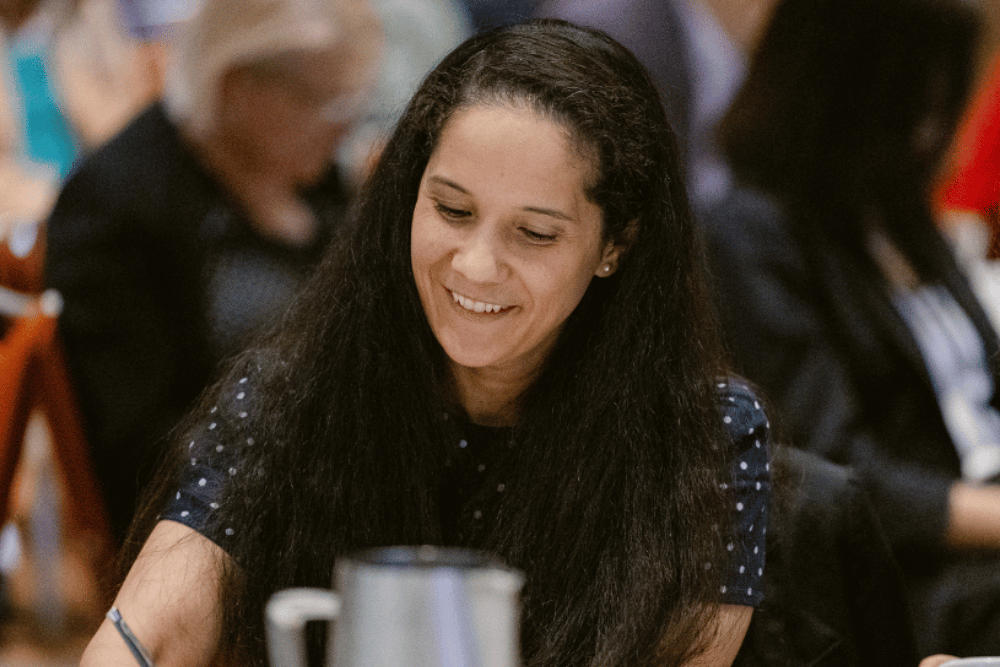
Dive into the real challenges reshaping higher education HR today. Learn from peer‑led case studies and discussions on academic workforce design, leadership pipelines, skills‑based hiring, and AI’s role in a constrained environment.
Partner With Us
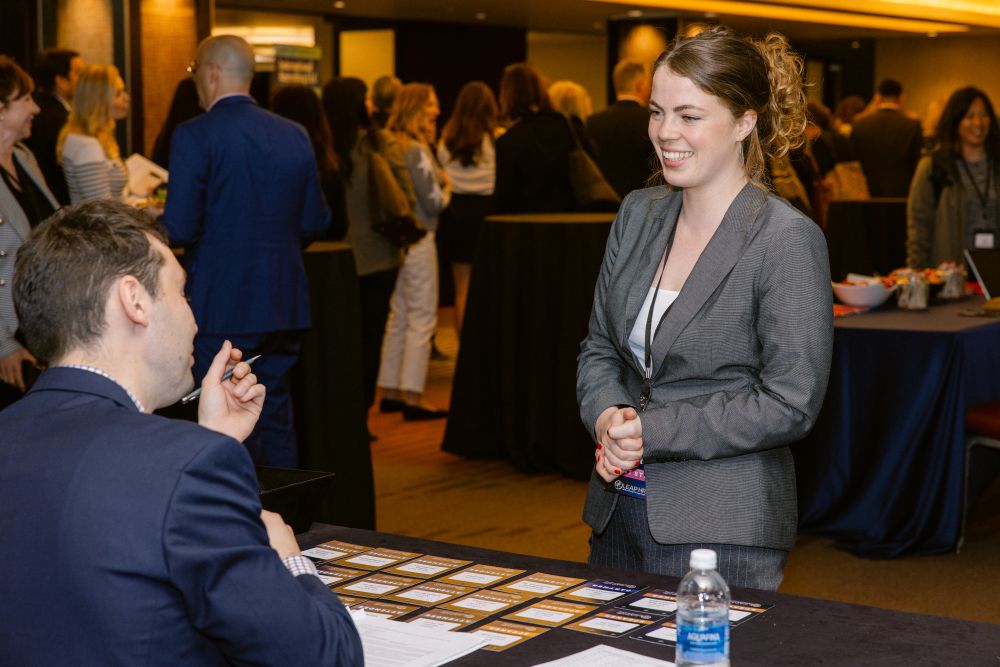
Align your brand with the institutions driving change across higher education. Build meaningful relationships with senior HR leaders solving workforce complexity at scale.
Join Higher Education HR Leaders
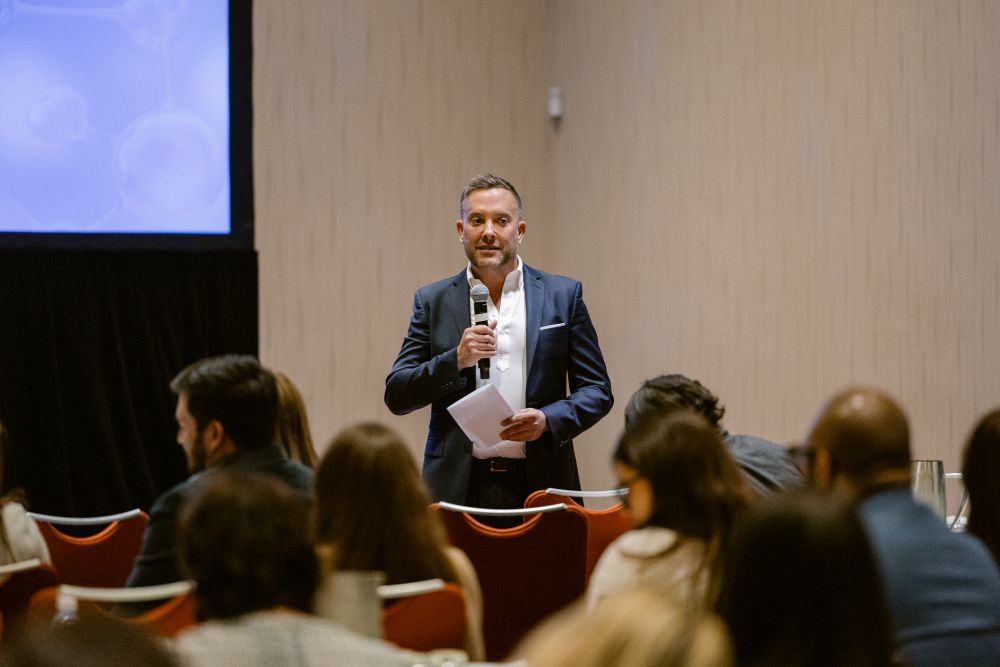
Network with senior HR decision‑makers from across the sector. Share ideas, compare approaches, and leave with insight you can take straight back to campus.